Cellular Metabolism - Rapid, Selective and Sensitive Detection of Metabolic Changes in Biological Samples
- Bioluminescent assays for energy and lipid metabolism
- Getting more information from individual samples by quantitating multiple metabolites
- Monitoring changes in metabolite levels over time during T cell activation and growth of cancer cell lines
Summary
Cellular metabolism comprises a dynamic network of pathways that undergo reprogramming in response to external and internal signals. This reprogramming has vital roles in proper cell function and also in many disease states, making cancer metabolism and immuno metabolism important areas for research and drug discovery. Metabolite levels provide valuable information about pathway activity, and plate-based coupled-enzyme reaction assays can provide a rapid method for measuring specific metabolites. However, current plate-based metabolite detection assays can pose challenges especially with sample preparation, reproducibility and throughput.
Please join us as we discuss these new bioluminescent plate-based metabolite assays, and learn more about:
- Bioluminescent assays for energy and lipid metabolism
- Getting more information from individual samples by quantitating multiple metabolites
- Monitoring changes in metabolite levels over time during T cell activation and growth of cancer cell lines
Speaker
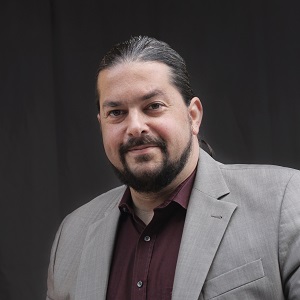
Axel Johann, PhD
Key Account Manager
Promega GmbH
As Key Account Manager at Promega GmbH Dr. Johann is mainly supporting customers from the pharmaceutical and biotechnology sector. Here he has a major focus on cellular and biochemical assays relevant for drug discovery and biotechnological development. During his diploma, Dr. Johann worked at the Institute of Biotechnology and Drug Research in Kaiserslautern (Prof. Anke), where established a screening for IL-6 inhibitors. He holds a PhD in Biology for his work on anti-inflammatory signaling in macrophages after phagocytosis of apoptotic cells at the in Technical University of Kaiserslautern (Prof. Brüne). As a postdoc, he continued his research on the anti-inflammatory macrophage phenotype as a postdoc at the Institute of Pathobiochemistry (Prof. Brüne), University Frankfurt. Prior to joining Promega in 2010 he worked as a Specialist for Nucleic Acid Purification at Macherey-Nagel in Switzerland.